Source Commercial Container Solutions for Storage, Shelter, and Workshops
Compare 30 listings for commercial container units designed for storage, temporary shelter, and workshop applications. Buyers can evaluate features like earthquake resistance, thermal insulation, and fast installation across various models and origins in China.
Key considerations
Products List


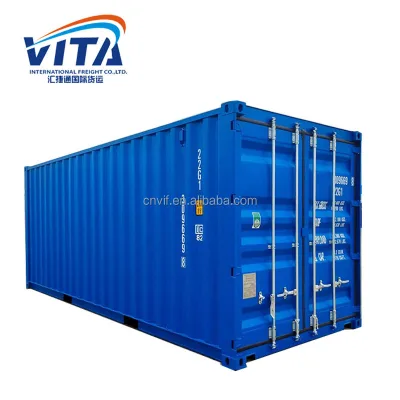


New 20 Feet Standard Container
$2800.00 - $3600.00
Moq: 1
Xiamen Xiangyu Superchain Supply Chain Development Co., LTD.


20 Feet Standard Container for Sale
$2800.00 - $3600.00
Moq: 1
Xiamen Xiangyu Superchain Supply Chain Development Co., LTD.

New 20 Feet Standard Container for Sale
$2800.00 - $3600.00
Moq: 1
Xiamen Xiangyu Superchain Supply Chain Development Co., LTD.


Comprehensive Sourcing Guide
Strategic Sourcing Guide for Commercial Container Solutions
Understanding Product Specifications and Variants
When researching commercial containers for B2B procurement, the first step is to distinguish between the various product models and their specific technical configurations. The market offers a diverse range of units, from standard storage solutions to specialized modular structures. Based on available product data, specific models such as JY8, JY4, and JY1459 represent distinct configurations within the commercial sector. These models often vary significantly in their intended application, ranging from workshop environments to temporary shelters and general storage facilities.
A critical observation in the current market is the variation in material composition. While some units are constructed from Steel, others may utilize Polypropylene (PP) for specific packaging or component needs. The material choice directly impacts durability, weight, and suitability for specific environments. For instance, steel-based units are frequently associated with heavy-duty applications like workshops and shipping, whereas PP materials might be found in lighter storage or packaging contexts. Buyers must verify the primary material of the specific model they are considering, as the "Container" material designation in some listings may refer to the shipping unit itself rather than the internal structure.
Size and dimension specifications are equally vital. Listings indicate standard sizes such as 20ft containers, which serve as a baseline for logistics planning. However, other product attributes suggest a broader spectrum, including sizes ranging from 1 to 10 inches for specific components or packaging standards. The "Large" specification and "Multi" weight categories indicate that capacity is not uniform across all listings. Procurement teams must carefully cross-reference the model number with the stated size and capacity, such as the 33 Cbm capacity noted for specific units, to ensure the selected container meets the volumetric requirements of the intended project.
Compliance, Certification, and Technical Standards
In the realm of commercial containers, compliance with international standards is non-negotiable for safety and operational efficiency. While specific certification bodies are not universally listed for every product, the industry relies heavily on adherence to recognized engineering and safety standards. Buyers should verify that the product meets the "Customized according to customer requirements" standard, which implies a flexible approach to meeting specific regulatory needs.
Technical features often cited in commercial listings include "Earthquake Resistant" and "Waterproof" capabilities. These are not merely marketing terms but critical performance indicators for structures intended for use in variable climates or seismic zones. The presence of "Thermal Insulation" and "Moisture Proof" attributes suggests that these units are designed to protect contents from environmental degradation. When evaluating a supplier, procurement officers must request documentation that validates these claims, such as test reports for thermal performance or water ingress resistance.
Furthermore, the structural integrity of the container is paramount. Some models are described as being assembled from "Steel Columns" and "Steel Beams," forming a robust framework. The attribute "Generally, SPA-H Weathering Steel Is Used" points to a specific grade of steel known for its corrosion resistance, which is essential for outdoor applications. However, buyers must confirm if this specific steel grade is applied to the unit in question, as material specifications can vary between product lines. The "Fast Installation" feature also implies a design that adheres to specific assembly standards, reducing on-site labor time and potential for installation errors.
Cost Drivers and Pricing Dynamics
The pricing landscape for commercial containers is highly variable, influenced by a complex matrix of factors including material costs, customization levels, and logistical requirements. The observed price range in the market spans from $0.01 to $15,800 USD. This wide disparity indicates that the term "commercial container" encompasses everything from small, single-component packaging units to large, fully assembled modular structures.
Several key drivers influence the final cost. First, the material composition plays a significant role; steel units generally command a higher price point than those utilizing lighter materials or specific plastic components. Second, customization is a major cost factor. The availability of "Customized" options for logos, dimensions, and internal configurations allows buyers to tailor the product but inevitably increases the unit price compared to standard off-the-shelf models. Third, the "Fast Installation" and "Easily Movable" features add value but may also increase manufacturing complexity and cost.
Logistics and shipping terms also heavily impact the total landed cost. The market supports both FCL (Full Container Load) and LCL (Less than Container Load) shipment types, offering flexibility based on order volume. The "DDP" (Delivered Duty Paid) delivery option simplifies the procurement process for the buyer but shifts the logistical burden and cost to the supplier. Buyers must evaluate whether the quoted price includes these shipping and duty costs or if they are separate line items. Additionally, the Minimum Order Quantity (MOQ) ranges from 1 to 250,000 units, meaning that bulk purchasing can significantly reduce the per-unit cost, while small orders may incur a premium.
Typical Applications and Use Cases
Commercial containers serve a multitude of applications, driven by their versatility and robust design. The primary use cases identified in the market include storage, workshops, and temporary shelters. The "Storage" application is broad, covering everything from residential hostel storage to industrial workshop inventory. The "Residential Hostel" application suggests that these units can be adapted for human habitation or semi-permanent living quarters, provided they meet specific safety and insulation standards.
The "Workshop" and "Shipping" applications highlight the utility of these containers in industrial and logistics settings. Units designed for workshops often require features like "Earthquake Resistant" construction and "Waterproof" seals to protect sensitive equipment and tools. For shipping applications, the structural integrity and "Leak Proof" capabilities are essential to ensure cargo safety during transit. The "Temporary Shelter" use case is particularly relevant for disaster relief or construction site accommodation, where "Fast Installation" and "Easily Movable" attributes are critical for rapid deployment.
Furthermore, the "Food" application indicates that certain containers are suitable for food storage or processing, necessitating strict hygiene and material safety standards. The "Living Room" application suggests a residential or hospitality use, where aesthetics and comfort, such as "Thermal Insulation," are prioritized. Buyers must align the specific product model with their intended application, ensuring that the features listed, such as "Single Door" types or specific color options like "Blue," match the operational requirements of their project.
Supplier Evaluation and Sourcing Strategy
Selecting the right supplier for commercial containers requires a rigorous evaluation process that goes beyond price comparison. The origin of the products is a significant factor, with many listings indicating origins in Guangdong, China, and specific ports like Xiamen. While these regions are known for manufacturing capabilities, buyers should verify the specific factory location and its capacity to handle large-scale orders.
The "Customization" capability is a key differentiator among suppliers. A supplier that offers "Customized" logos and dimensions demonstrates flexibility and a customer-centric approach. However, buyers must assess the supplier's ability to maintain quality control during the customization process. The "Standard Sea Worthy Package" attribute suggests that the supplier understands international shipping requirements, which is crucial for preventing damage during transit.
Lead times and delivery schedules are also critical evaluation criteria. While some listings mention a "20 Days" delivery time, others may have different timelines depending on the order volume and customization level. The "DDP" delivery option implies a comprehensive logistics service, but buyers should confirm the supplier's track record for meeting these deadlines. Additionally, the "Fast Installation" feature requires that the supplier provides clear assembly instructions and potentially on-site support, which should be part of the supplier evaluation checklist.
Quality Control and Inspection Protocols
Ensuring the quality of commercial containers is essential for long-term reliability and safety. Buyers should implement a robust quality control protocol that includes pre-shipment inspections and post-delivery verification. The "Multi" weight and "CTN Size" attributes indicate that packaging consistency is a key quality metric. Inspectors should verify that the "Poly Bag+Paper Box" or "Carton" packaging methods are applied correctly to protect the product during shipping.
For structural containers, visual and dimensional inspections are necessary to confirm adherence to the "Standard" specifications. This includes checking the integrity of the "Steel Columns" and "Steel Beams" for any defects or inconsistencies. The "Waterproof" and "Moisture Proof" features should be tested to ensure they meet the required performance levels. In cases where "SPA-H Weathering Steel" is specified, material testing should be conducted to verify the steel grade and corrosion resistance.
Documentation is a vital part of the quality control process. Buyers should request certificates of origin, material test reports, and compliance documentation from the supplier. The "Customized according to customer requirements" standard implies that the supplier should provide a detailed specification sheet that matches the agreed-upon design. Regular audits of the supplier's production line can also help maintain consistent quality standards and identify potential issues before they affect the final product.
Long-Term Procurement and Lifecycle Management
Sourcing commercial containers is not just a one-time transaction but a long-term partnership that requires strategic planning. The "Stacked" packaging attribute suggests that these units are designed for efficient storage and transport, which can reduce long-term logistics costs. Buyers should consider the lifecycle of the container, including maintenance, repair, and eventual disposal.
The "Easily Movable" and "Fast Installation" features indicate that these units are designed for mobility and reusability. This is particularly important for projects with changing requirements or temporary needs. Buyers should evaluate the supplier's support for maintenance and repair services to extend the lifespan of the containers. Additionally, the "Customized" nature of the products means that buyers should plan for future scalability, ensuring that the supplier can accommodate increased order volumes or additional customization requests.
Finally, the "DDP" delivery option simplifies the procurement process but requires careful financial planning. Buyers should factor in the total cost of ownership, including shipping, duties, and potential maintenance costs, when evaluating the long-term value of the containers. By adopting a strategic approach to procurement, buyers can ensure that their commercial container solutions meet their current needs while remaining flexible for future requirements.
FAQs
What shipping types are available for commercial containers?
Both FCL and LCL shipment types are available for commercial containers. Buyers can choose between Full Container Load for large orders or Less than Container Load for smaller quantities, with departure ports including Qingdao, Guangzhou, and Shenzhen.
Can I customize the logo and dimensions of the container?
Customization is available for logos and dimensions according to customer requirements. Suppliers offer tailored solutions for specific needs, allowing buyers to modify features like the product model or packaging method to fit their unique project specifications.
What materials are used to construct these commercial containers?
Commercial containers are constructed from materials such as Steel and Polypropylene. Steel units often feature weathering steel grades for durability, while PP materials are used for specific packaging components, impacting the weight and suitability for different applications.
How long is the delivery time for these products?
The delivery time is typically 20 days for standard orders. This timeline applies to the production and preparation phase, though actual arrival depends on the selected shipping method and destination country, with DDP options available for duty-paid delivery.
Which features ensure the safety and durability of the structure?
Key safety features include being earthquake resistant, waterproof, and moisture proof. The structures often utilize steel columns and beams for assembly, ensuring they are safe, leak proof, and capable of thermal insulation for various industrial or residential uses.
What is the capacity range for the commercial container units?
Capacity varies by model, with specific units offering 33 Cbm volume. Other listings indicate multi-weight categories and large specifications, requiring buyers to verify the exact size and capacity against their storage or workshop requirements before placing an order.